Signs It’s Time to Seal Your Asphalt Surface
Noticing cracks, fading color, or water pooling on your asphalt surface may indicate it’s time for sealing, and local service providers can help protect and extend its lifespan.
If you own a property with an asphalt surface, recognizing the signs it’s time to seal your asphalt surface can help maintain its appearance and durability. Over time, exposure to weather, traffic, and general wear can cause cracks, fading, and surface deterioration. Property owners in the area often explore sealing as a practical step to protect their investment, prevent costly repairs, and extend the lifespan of their pavement. Staying aware of these indicators ensures that your asphalt remains in good condition and continues to serve its purpose effectively.
Local contractors who specialize in asphalt surface sealing can provide the expertise needed to address these common issues. Whether it’s noticing surface cracks, a dull or faded appearance, or minor surface erosion, these professionals can assess your asphalt and recommend appropriate sealing services. Regular sealing not only enhances curb appeal but also acts as a protective barrier against the elements and daily wear. Keep reading to learn more about the key signs that suggest it’s time to consider sealing your asphalt surface and how local service providers can help keep your pavement in top shape.
- Asphalt driveway maintenance - signs it’s time to seal your asphalt surface include visible cracks and surface deterioration that local contractors can address with proper sealing. Parking lot repair - when fading or oil stains appear, local service providers can help restore the surface’s protective layer through sealing. Residential pavement - if your asphalt shows signs of oxidation or surface roughness, local pros can apply a seal coat to extend its lifespan. Commercial lot upkeep - noticeable water pooling or surface erosion indicate the need for sealing, which local contractors can perform to protect the asphalt. Driveway resurfacing - when the surface starts to lose its color and becomes porous, local pros can seal it to prevent further damage.
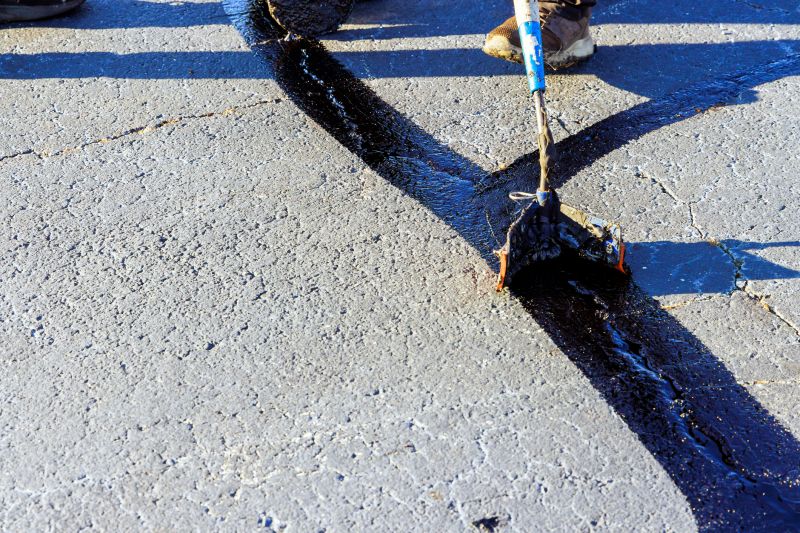
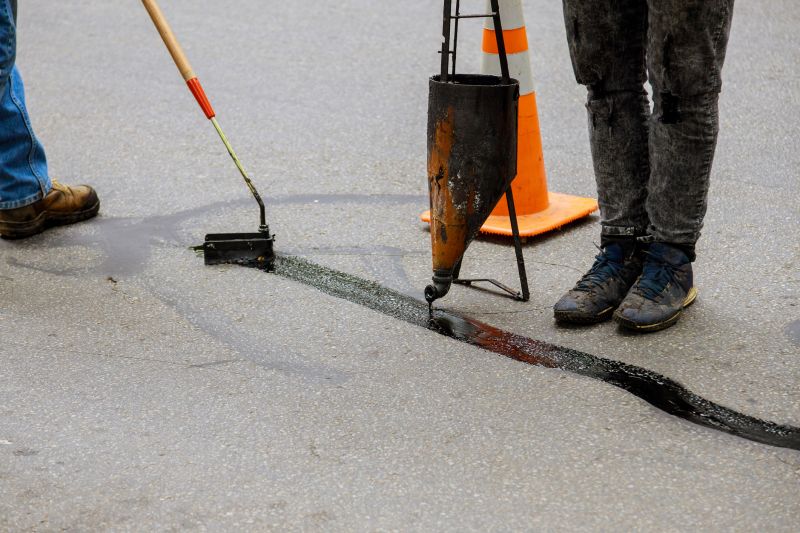
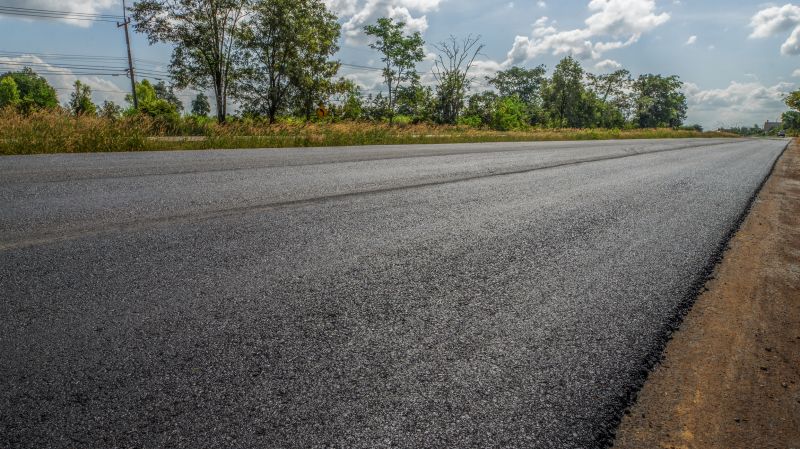
When searching for signs it’s time to seal your asphalt surface, homeowners are usually looking for clear indicators that their driveway, parking lot, or other paved areas need maintenance. Over time, asphalt can develop small cracks, surface wear, and a dull appearance, all of which suggest that the protective sealant has worn away. Recognizing these signs early can help prevent more serious damage, such as potholes or extensive cracking, which can be costly to repair. Homeowners often consider sealing their asphalt when they notice a loss of color, surface erosion, or the presence of surface cracks that seem to expand over time, indicating that the material beneath may be vulnerable to water infiltration and further deterioration.
This topic relates closely to property maintenance plans and repair projects aimed at preserving the longevity of paved surfaces. Asphalt surfaces are common on residential driveways, commercial parking lots, and even community pathways. When signs of aging appear, many property owners want to act quickly to protect their investment. Sealing asphalt is a preventive step that can help extend its lifespan, improve curb appeal, and maintain a smooth, safe driving or walking surface. Understanding when to seal can also help property owners avoid more extensive repairs or replacement down the line, making it a practical part of ongoing property upkeep.
Properties that typically come up in discussions about sealing asphalt include private homes, apartment complexes, retail centers, and municipal parking lots. Residential driveways are often the first to show signs of wear, especially in areas with harsh weather conditions or heavy vehicle traffic. Commercial properties, such as shopping centers or office parks, also rely on well-maintained asphalt to project a professional appearance and ensure safety. These properties usually experience frequent use, which accelerates surface deterioration. Local contractors who specialize in asphalt sealing can assess these surfaces, identify early signs of damage, and recommend appropriate sealing solutions to keep the surfaces in good condition.
Understanding the signs it’s time to seal your asphalt surface helps property owners make informed decisions about maintenance. When the surface begins to look faded, develops small cracks, or shows signs of surface erosion, it’s a practical time to consider sealing. These issues often stem from exposure to weather elements, UV rays, and regular vehicle traffic. Local service providers who focus on asphalt sealing can evaluate the condition of a surface, identify underlying issues, and provide professional sealing services designed to restore and protect the asphalt. Proper timing ensures that the surface remains durable, functional, and visually appealing, helping property owners avoid costly repairs and extend the life of their paved areas.
Paving repair projects - these involve fixing cracks and surface damage, which often requires surface preparation similar to sealing asphalt to ensure a long-lasting finish.
Driveway resurfacing - resurfacing involves applying new layers over existing asphalt, making it related to sealing as both improve durability and appearance of asphalt surfaces.
Parking lot maintenance - maintaining parking lots includes sealing and crack filling, requiring similar planning and application skills as asphalt sealing services.
Asphalt patching - patching damaged areas involves surface prep and material application, aligning closely with the skills used in sealing asphalt surfaces.
Surface cleaning and preparation - cleaning and prepping asphalt surfaces is a crucial step before sealing, making this a related project that local contractors handle regularly.
Sealcoating for commercial lots - applying sealcoat to large commercial asphalt areas shares techniques and planning considerations with residential asphalt sealing projects.
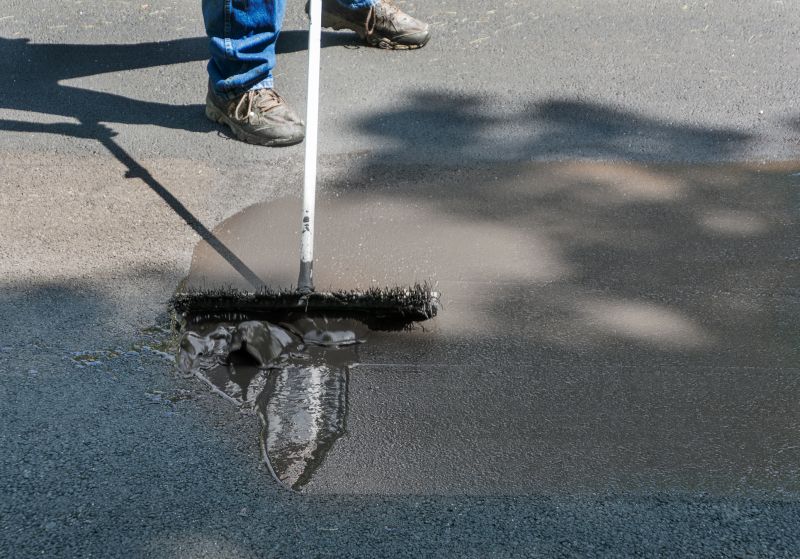
When comparing local contractors for asphalt surface sealing, it’s important to consider their experience with similar projects. Homeowners should inquire about how long a service provider has been working on sealing asphalt surfaces and whether they have handled projects comparable in size and scope. An experienced contractor will typically have a better understanding of the specific signs indicating it’s time to seal a surface and can offer insights tailored to the local climate and conditions. This background can help ensure the chosen professional is familiar with the nuances of asphalt maintenance and can deliver results that protect and extend the lifespan of the surface.
Clear, written expectations are essential when evaluating service providers. Homeowners should seek detailed estimates that outline the scope of work, materials to be used, and any preparation or follow-up steps involved. Transparent communication about what the sealing process entails helps prevent misunderstandings and ensures everyone is aligned on the project’s objectives. Reputable local contractors often provide written documentation of their services, which can serve as a reference point for quality and professionalism. This clarity supports a smoother working relationship and can contribute to a more satisfactory outcome.
Good communication and reputable references are key factors in selecting a reliable asphalt sealing professional. Homeowners should look for service providers who are responsive to questions and willing to explain their process in understandable terms. Asking for references or reviews from previous clients can offer valuable insights into the contractor’s reliability, quality of work, and professionalism. A contractor with a reputation for clear, consistent communication and positive feedback from past customers is more likely to deliver a satisfactory experience. These qualities help ensure that the project will be handled efficiently, with attention to detail and a focus on meeting the homeowner’s needs.
Property owners often search for signs it’s time to seal your asphalt surface when they are planning practical projects around their homes and businesses. Local pros provide Asphalt Surface Sealing services for everyday jobs and straightforward project options.
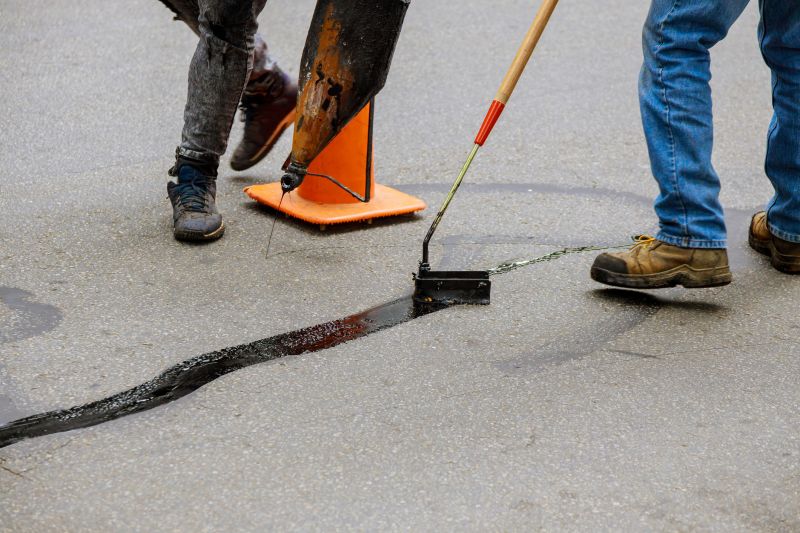
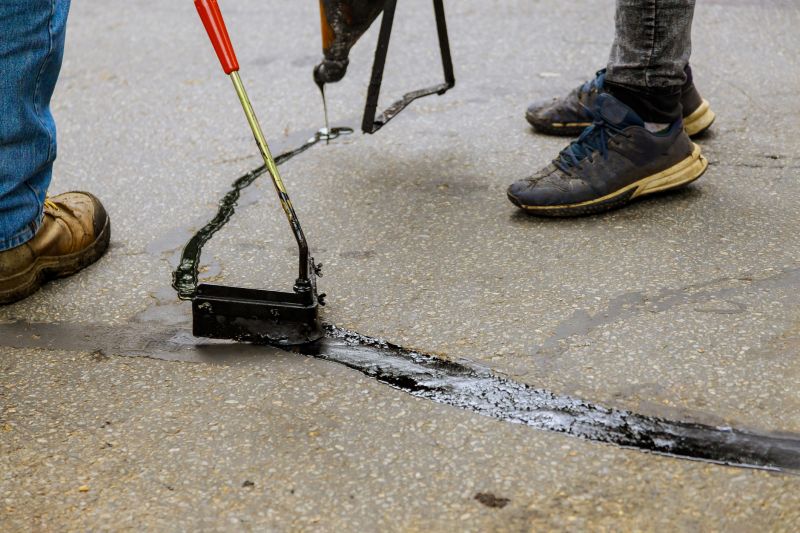
Property owners may notice visible cracks or surface fading on their asphalt driveways or parking lots, which can be signs it’s time to seal the surface. These issues often develop gradually, and sealing can help protect the asphalt from further damage caused by water penetration, temperature fluctuations, and daily wear. When the asphalt starts looking dull or shows signs of minor surface deterioration, local contractors who specialize in asphalt sealing can assess the condition and recommend appropriate maintenance to extend the lifespan of the surface.
Another common indicator is the presence of small potholes or areas where the asphalt appears worn down or rough to the touch. These issues can indicate that the surface is losing its protective layer and becoming more vulnerable to damage. Sealing the asphalt at this stage can help prevent more serious problems down the line, saving property owners from costly repairs. Connecting with experienced service providers in the area can ensure that the asphalt surface receives the necessary care to maintain its appearance and durability.
What are common signs that indicate it’s time to seal an asphalt surface? Visible cracks, fading color, and surface erosion are typical signs that sealing may be needed to protect and preserve the asphalt.
How can I tell if my asphalt surface has lost its protective layer? If the asphalt appears dull, brittle, or shows signs of surface cracking, it may have lost its protective seal, signaling the need for resealing services from local contractors.
Are there specific weather conditions that suggest sealing is necessary? After harsh winter weather or periods of heavy rainfall, signs like surface cracking or pooling water can indicate it’s time for sealing to prevent further damage.
What physical damages on an asphalt surface suggest sealing should be done? The presence of surface cracks, potholes, or areas of discoloration often point to the need for sealing to prevent deterioration.
How do I know if my asphalt surface is due for sealing based on its age? Asphalt surfaces typically benefit from sealing every few years; if your surface is showing signs of wear or has reached a certain age, local service providers can assess whether sealing is appropriate.
Visible surface cracks - When cracks start to appear on your asphalt, it may be time to consider sealing to prevent further damage.
Fading or dull color - If the asphalt surface looks faded or lacks luster, sealing can restore its appearance and protect it from weathering.
Pooling water or erosion - Noticeable water pooling or erosion after rain suggests the surface may need sealing to improve drainage and durability.
Age of the asphalt - After several years of use, asphalt can benefit from sealing services provided by local contractors to extend its lifespan.
If you are thinking about signs it’s time to seal your asphalt surface for a property, this guide is meant to help you understand this topic, the typical project types, and how different options might fit your plans.
When you are ready, you can use the quote form on this page to share a few details about your project. From there, local pros can review the basics and follow up with options that match what you have in mind.